Technical Blog
High-quality technical tutorials, engineering deep dives, and AI insights
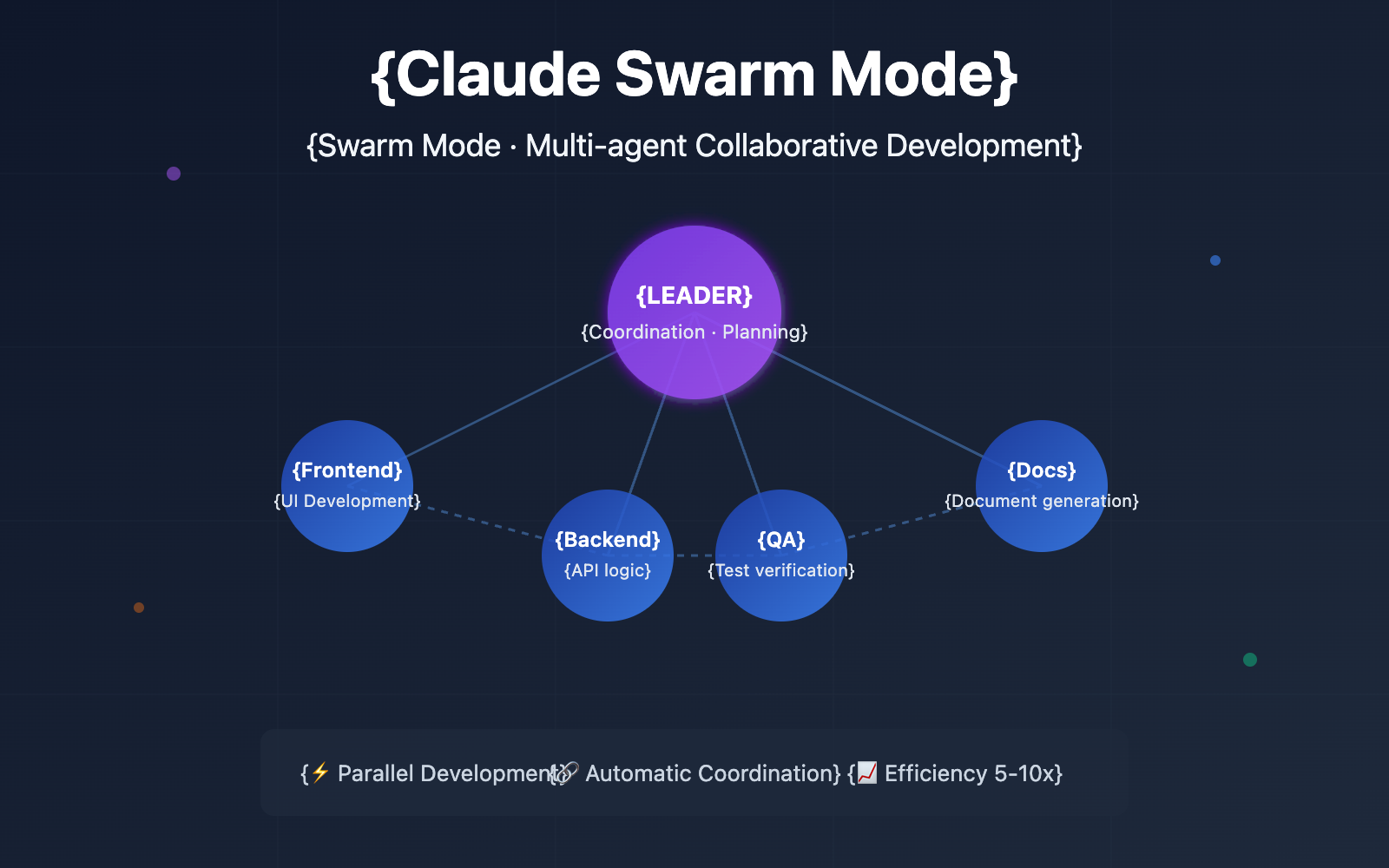
Claude Swarm Mode Complete Guide: 5 Steps to Master the New Paradigm of Multi-agent Collaborative Development
A deep dive into Claude Code Swarm Mode's inner workings, TeammateTool core architecture, hands-on configuration, and efficiency comparison with traditional single-agent development.
Google Antigravity API: The Future of Native Web Physics and Interactive DOM
Explore Google Antigravity, the new DOM-based physics API. Learn how to implement native collision, gravity, and zero-G effects in your web projects without canvas.
OpenAI Frontier: The New Operating System for Enterprise AI Agents at Scale
OpenAI Frontier is the new enterprise platform for deploying and governing AI agents at scale. Discover how it solves the 'pilot purgatory' problem for business AI.
Google Gemini CLI: A Comprehensive Guide to Building AI-Powered Terminal Tools
Master the Google Gemini CLI workflow. Learn to integrate Google's multimodal AI models directly into your terminal environment using TypeScript and Node.js for enhanced developer productivity.

3D Printing with PETG: Optimizing Thermal Settings for IoT Cases
Master the physics of PETG for industrial IoT enclosures. This guide bridges polymer rheology, heat transfer equations, and raw G-code implementation to achieve structurally superior 3D prints.

From Prompting to Agents: Building Autonomous AI Workflows in 2026
Move beyond chat. Learn to architect autonomous, stateful agents using 2026-era reasoning models. We cover the physics of agentic workflows, Python implementation, and guardrails for production.
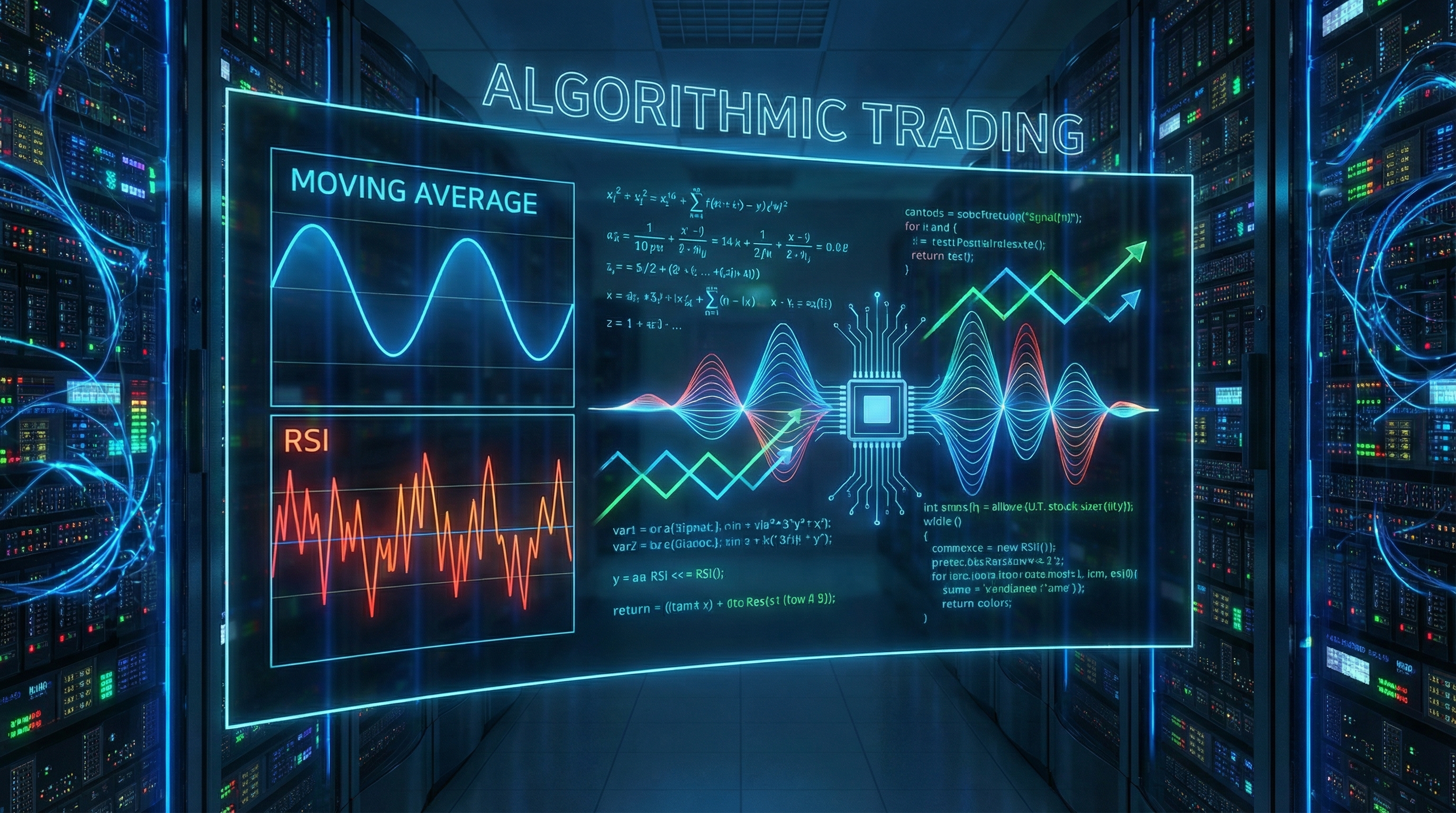
Algorithmic Trading Strategies: Moving Averages vs. RSI Bots
An educational analysis of signal processing in financial markets, comparing the mathematical characteristics of Moving Averages (Trend Following) against RSI (Mean Reversion) from an applied physics perspective. This content is for academic and educational purposes only.
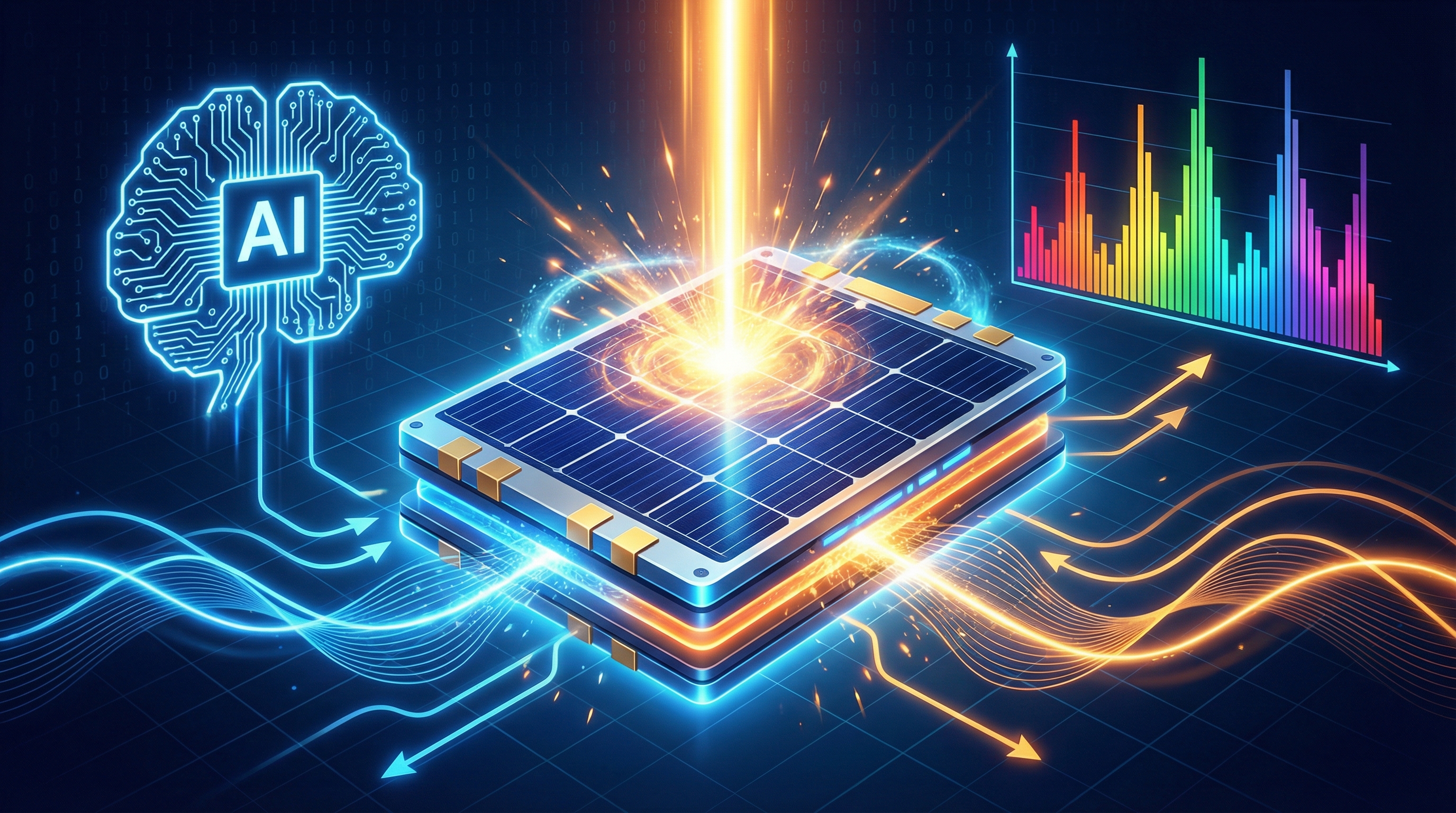
Using AI Tools to Generate Physics Simulations: Silicon Solar Cell Example
Explore how generative AI tools can accelerate physics simulation development. Learn to build a silicon solar cell simulation under AM1.5 illumination using Python, demonstrating the potential of AI-assisted scientific computing.
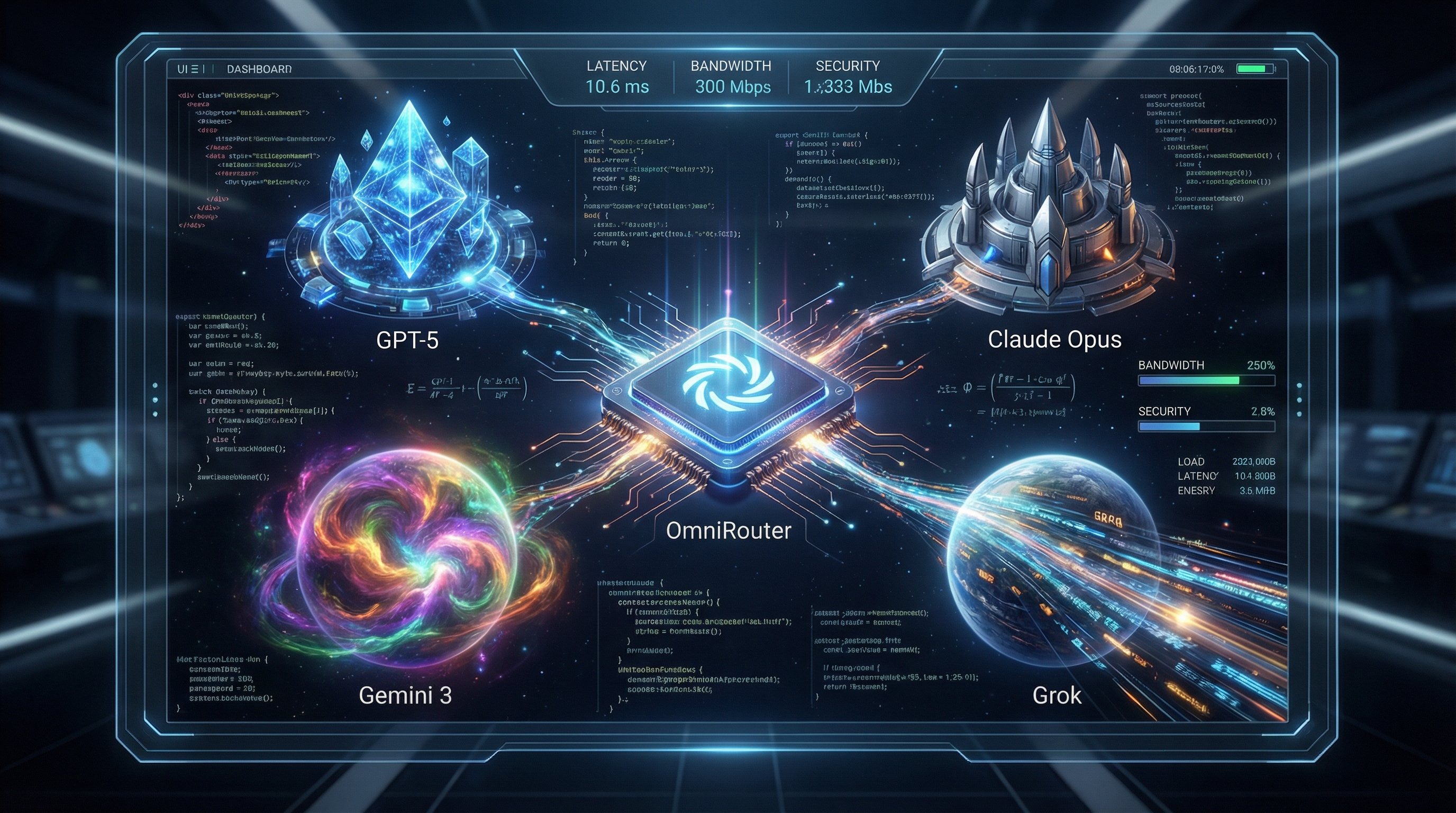
Beyond ChatGPT: How to Leverage New Frontier Models (Gemini 3, GPT-5, Claude Opus, Grok-4.1) in Your Stack
A deep dive into the 2025 AI landscape: How to engineer a multi-model router using Python to balance cost, latency, and reasoning capabilities across the newest frontier models.

Automating Legal Defense: How AI Can Parse Court Documents
Harnessing NLP and vector calculus to revolutionize legal analysis. We dive deep into the math of high-dimensional semantic spaces and Python implementations for parsing complex court documents.

Arbitrage Algorithms: Detecting Spreads Across Crypto Exchanges
An educational analysis of the mathematical principles behind cryptocurrency arbitrage. We explore the physics of market inefficiency, spatial spread detection theory, and the theoretical foundations of high-frequency trading systems. This content is for academic and educational purposes only.

AI-First Development: A Modern Curriculum for AI Application Developers in 2026
A doctoral-level guide to transitioning from traditional software engineering to AI-First application development, covering RAG, Agentic Systems, and the physics of high-dimensional latent spaces.
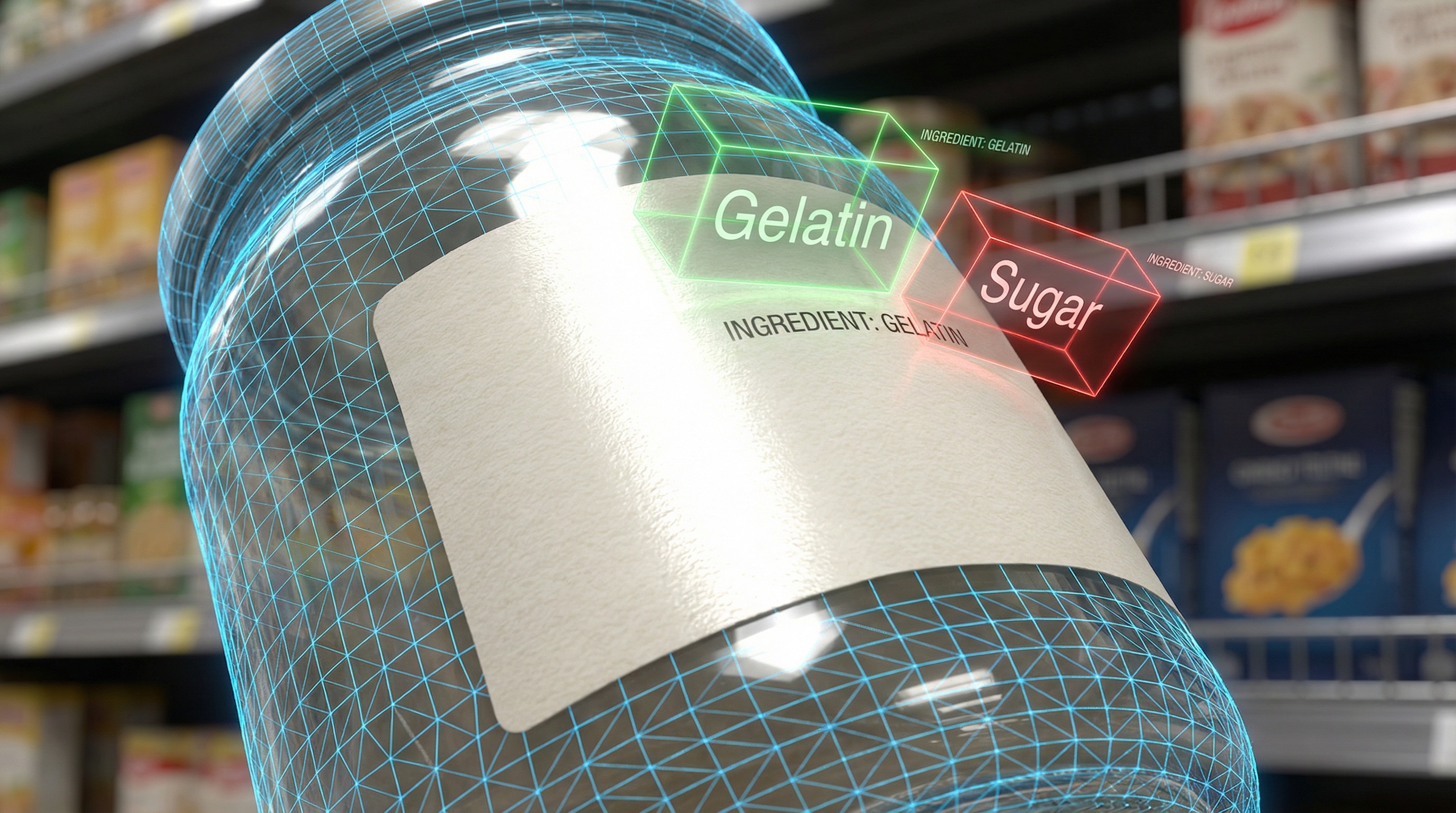
Beyond OCR: How Computer Vision Identifies Kosher Ingredients
Traditional OCR fails on curved, glossy packaging. This deep dive explores how affine transformations, CNNs, and fuzzy logic converge to automate kosher certification and ingredient verification.
Azure vs. AWS for High-Compute Scientific Workloads: A Physicist’s Perspective
A deep dive into HPC architectures on Azure and AWS, analyzing interconnect physics, Amdahl’s Law limits, and implementation strategies for massive MPI workloads.
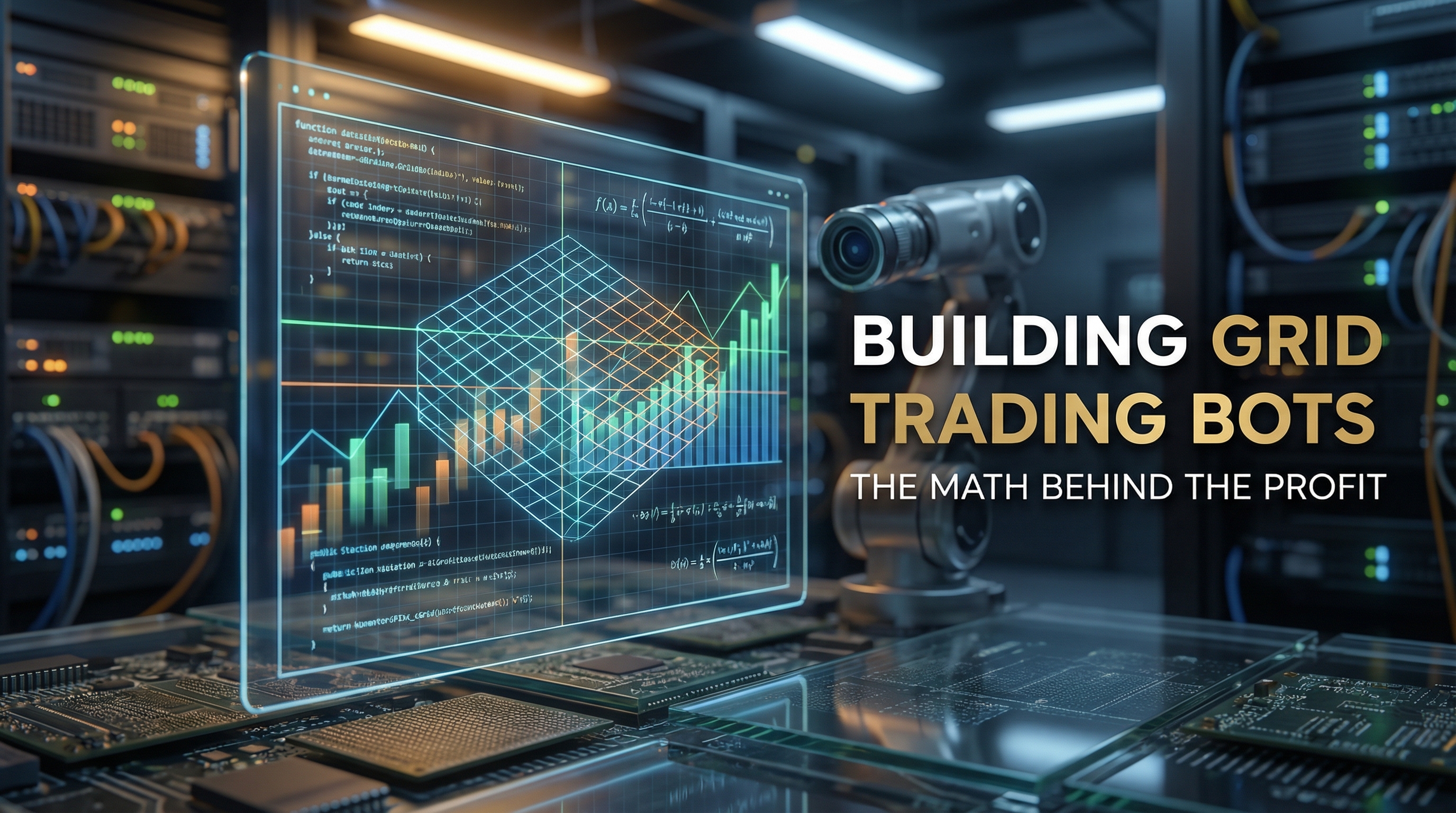
Understanding Grid Trading: Mathematical Analysis of Volatility Strategies
An educational analysis of grid trading from a stochastic modeling perspective. Explore the mathematical principles behind volatility harvesting strategies and the theoretical foundations of mean-reverting market models. This content is for academic and educational purposes only.

Building a 'Voice-First' UI: Challenges in Latency and Interrupts
A deep dive into the physics of sound, asynchronous event loops, and the engineering required to build interruptible, low-latency voice interfaces.
Nitinol & Memory Alloys: Coding Soft Robotics Simulations
Dive deep into the physics of Shape Memory Alloys and learn to code accurate Python simulations for soft robotics actuators using the Brinson model.

Case Study: Migrating a Monolith to Serverless Microservices
A rigorous engineering analysis applying graph theory and distributed systems physics to the decomposition of monolithic architectures into event-driven serverless microservices.
Prompt Engineering as a Programming Language: Advanced Techniques
Transforming stochastic LLM interactions into deterministic engineering workflows through vector space manipulation, type-strict constraints, and advanced algorithmic prompting.
Open Source LLMs: Running Llama 3 on Consumer RTX GPUs
Master local inference: optimization physics, INT4 quantization math, and Python implementation for running Llama 3 on consumer RTX hardware.
Self-Hosting AI: A Guide to Local API Integration
Break free from cloud dependencies. This deep dive covers the physics of quantization, Python implementation of local inference servers, and optimizing throughput for production-grade self-hosted AI.

Real-Time Translation: Handling WebSockets in Next.js 14
A rigorous engineering analysis of implementing low-latency, full-duplex audio translation streams using Next.js 14, bridging the gap between stateless serverless architectures and persistent WebSocket connections.
Smart Home Hacks: Integrating Zigbee Sensors with Python Scripts
Transcend the limitations of proprietary hubs. This engineering guide details the physics of Zigbee (IEEE 802.15.4), the mathematics of mesh networking, and the implementation of Python-based asynchronous controllers for ultra-low latency home automation.

Simulating Thermodynamics in Python: A Material Science Approach
Learn how to simulate thermodynamic systems using Python's scientific computing libraries. Explore phase transitions, material properties, and statistical mechanics.
The Role of Entropy in Data Compression Algorithms
Dive into the physics of information. We explore how Shannon Entropy defines the theoretical limits of compression and implement a robust Huffman encoder in Python to demonstrate these principles.
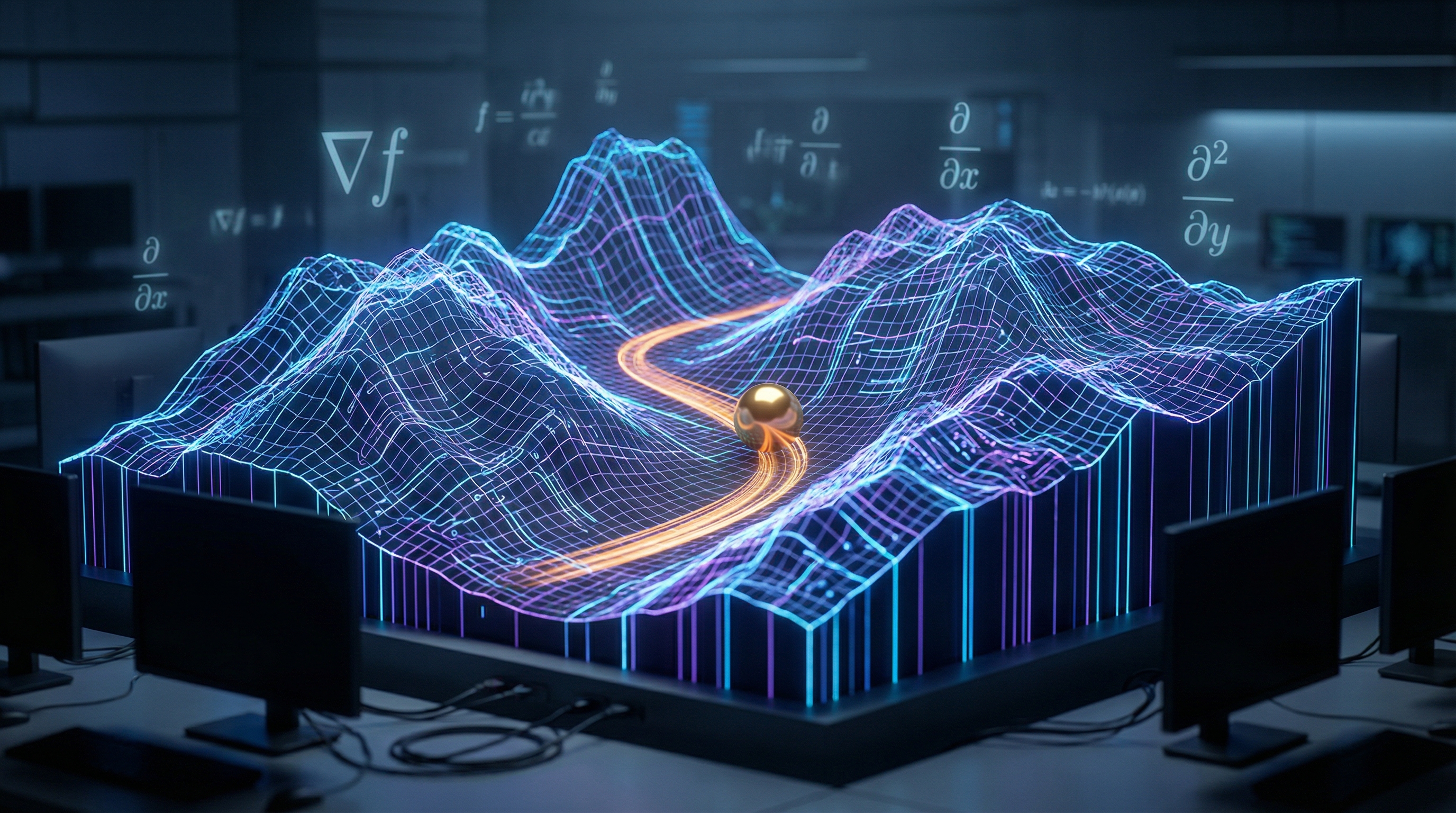
The Physics of AI: Why Gradient Descent Resembles Energy Minimization
Uncover the mathematical isomorphism between training neural networks and physical systems seeking equilibrium, from thermodynamics to Hamiltonian mechanics.
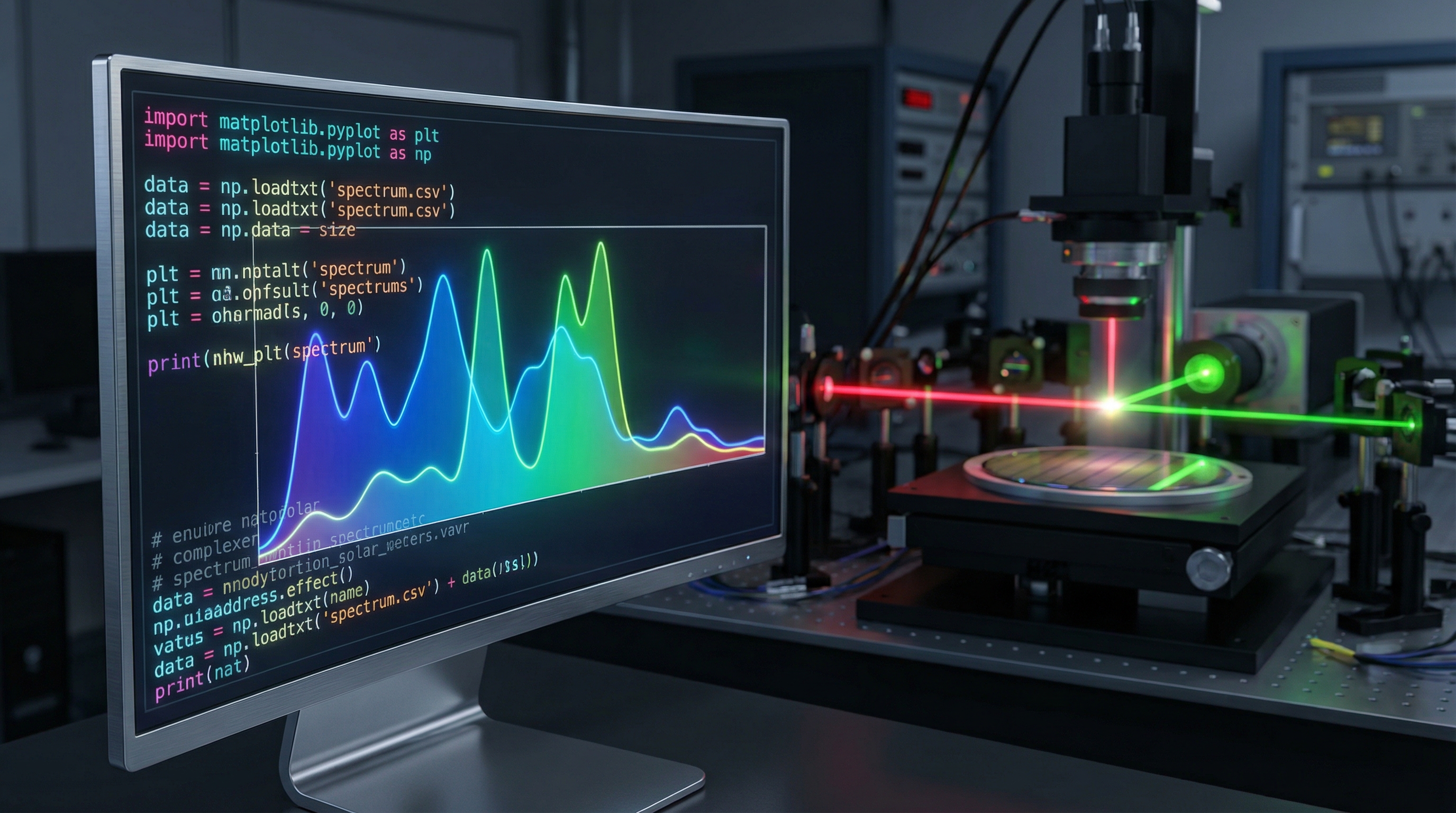
Using Python for Spectral Analysis of Material Properties
Unlocking material secrets with Python: A PhD-level guide to converting noisy spectroscopic data into precise material characterization using advanced signal processing and curve fitting.

Tokenomics 101: Designing a Sustainable Web3 Economy
An educational analysis of token economics from an applied physics and control theory perspective. Explore mathematical modeling, bonding curve theory, and the theoretical foundations of sustainable incentive structures. This content is for academic and educational purposes only.